
Service page design
Service page design that explains the offer, earns trust, and supports search.
Build service pages with clear positioning, problems solved, deliverables, proof, FAQs, internal links, and conversion paths.
Problems We Solve
The work starts where growth is leaking.
Paired solution
Clarify who the service is for, what problem it solves, and what the buyer gets. For Service Page Design, this supports the page promise directly: Build service pages with clear positioning, problems solved, deliverables, proof, FAQs, internal links, and conversion paths. It addresses services are listed but with Page brief, Service copy, and Proof mapping: Services are listed but not explained. The fix gives the page enough useful depth to answer buyer questions, cover objections, connect proof, and make the next step feel clear instead of generic.
Paired solution
Offer framing
Clarify who the service is for, what problem it solves, and what the buyer gets. For Service Page Design, this supports the page promise directly: Build service pages with clear positioning, problems solved, deliverables, proof, FAQs, internal links, and conversion paths. It addresses services are listed but with Page brief, Service copy, and Proof mapping: Services are listed but not explained. The fix gives the page enough useful depth to answer buyer questions, cover objections, connect proof, and make the next step feel clear instead of generic.
Deliverables
Clear outputs your team can use after launch.
Every Service Page Design engagement leaves behind practical assets tied to implementation, ownership, and review. The goal is a cleaner operating path, not a static recommendation deck.
Audit the current path
Review the site, offer, lead flow, tracking, and operating constraints before recommending changes.
Build the first useful layer
Ship the pages, systems, tracking, or workflows that remove the clearest growth bottleneck.
Measure and improve
Use reporting, client feedback, and qualified lead quality to decide what gets scaled next.
Page brief
Turns the service offer into buyer-ready page structure, proof, objections, FAQs, and calls to action.
Service copy
Turns the service offer into buyer-ready page structure, proof, objections, FAQs, and calls to action.
Proof mapping
Turns the service offer into buyer-ready page structure, proof, objections, FAQs, and calls to action.
FAQ set
Turns the service offer into buyer-ready page structure, proof, objections, FAQs, and calls to action.
Internal links
Connects related pages, proof, local signals, and supporting content so authority reinforces the service path.
CTA structure
Defines the asset, owner, review point, and next action needed to make the work useful after delivery.
Delivery Process
Simple enough to start. Structured enough to scale.
Service Page Design work moves through a tight operating rhythm: diagnose the real constraint, ship the highest-leverage layer, then use real signals to decide what deserves expansion.
Phase 1
Audit the current path
Review the site, offer, lead flow, tracking, and operating constraints before recommending changes.
Phase 2
Build the first useful layer
Ship the pages, systems, tracking, or workflows that remove the clearest growth bottleneck.
Phase 3
Measure and improve
Use reporting, client feedback, and qualified lead quality to decide what gets scaled next.
Filtered Case Studies
Relevant case study proof for this service.
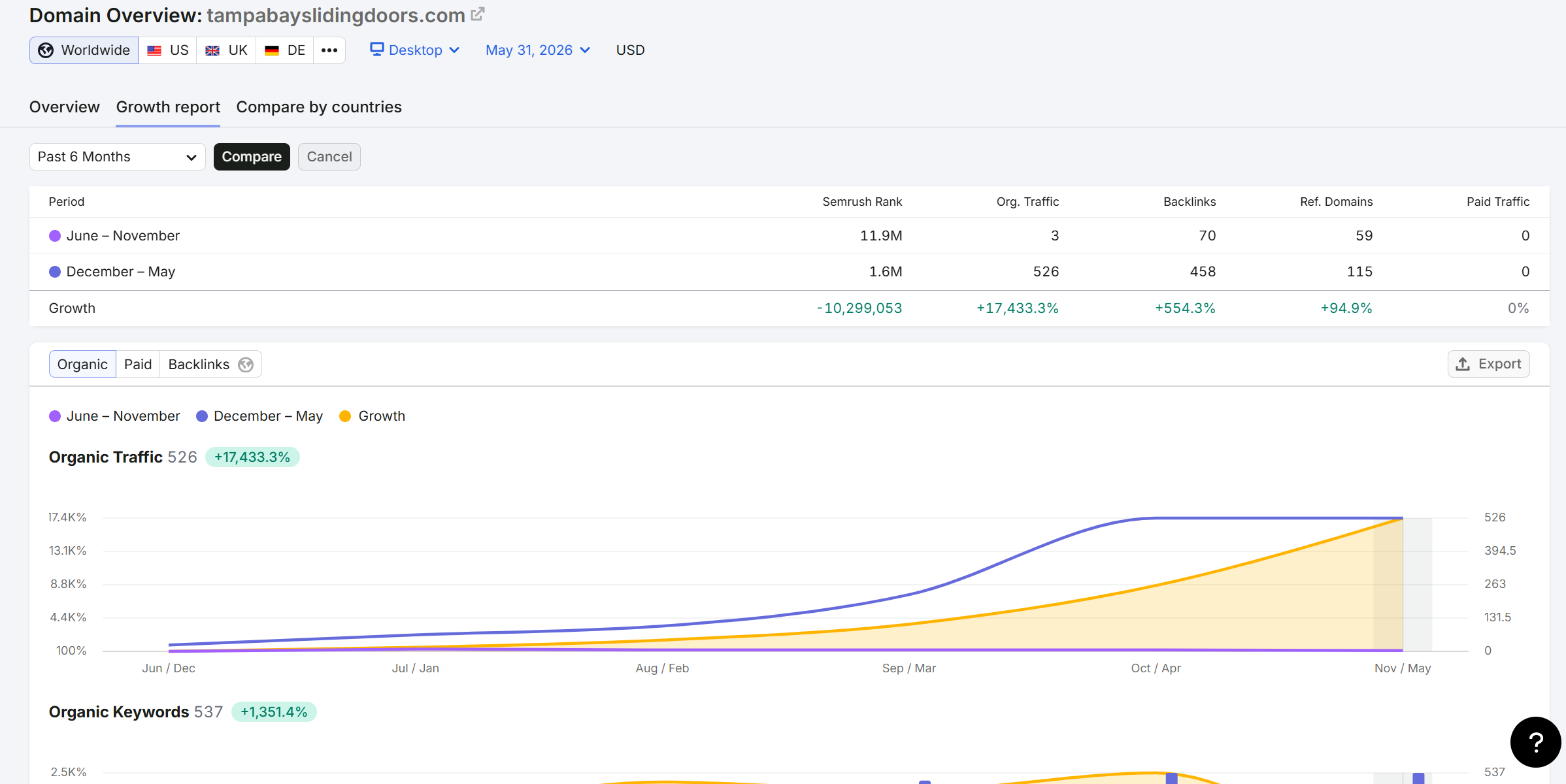
Local SEO and Google Maps exposure
Tampa Bay organic traffic growth
Tampa Bay Sliding Doors
A local service SEO push that moved Tampa Bay Sliding Doors from minimal organic visibility to a stronger search footprint across traffic, keywords, backlinks, and local-service intent.
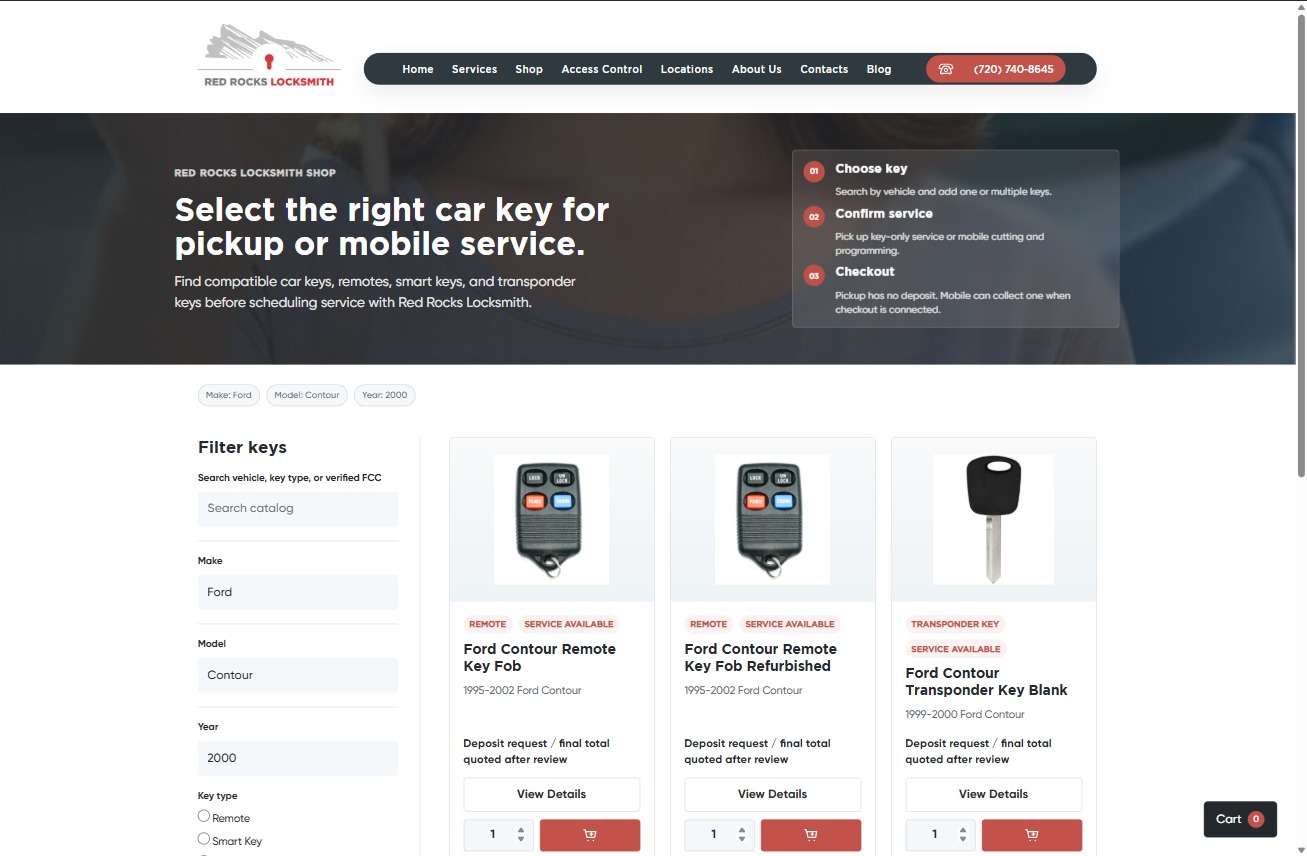
Local SEO, authority, and product coverage
Red Rocks locksmith authority build
Red Rocks Locksmith
A local locksmith SEO strategy strengthened by an online automotive key catalog that created deeper service relevance, long-tail search coverage, and stronger internal authority.
Related Blog
Articles connected to this service.
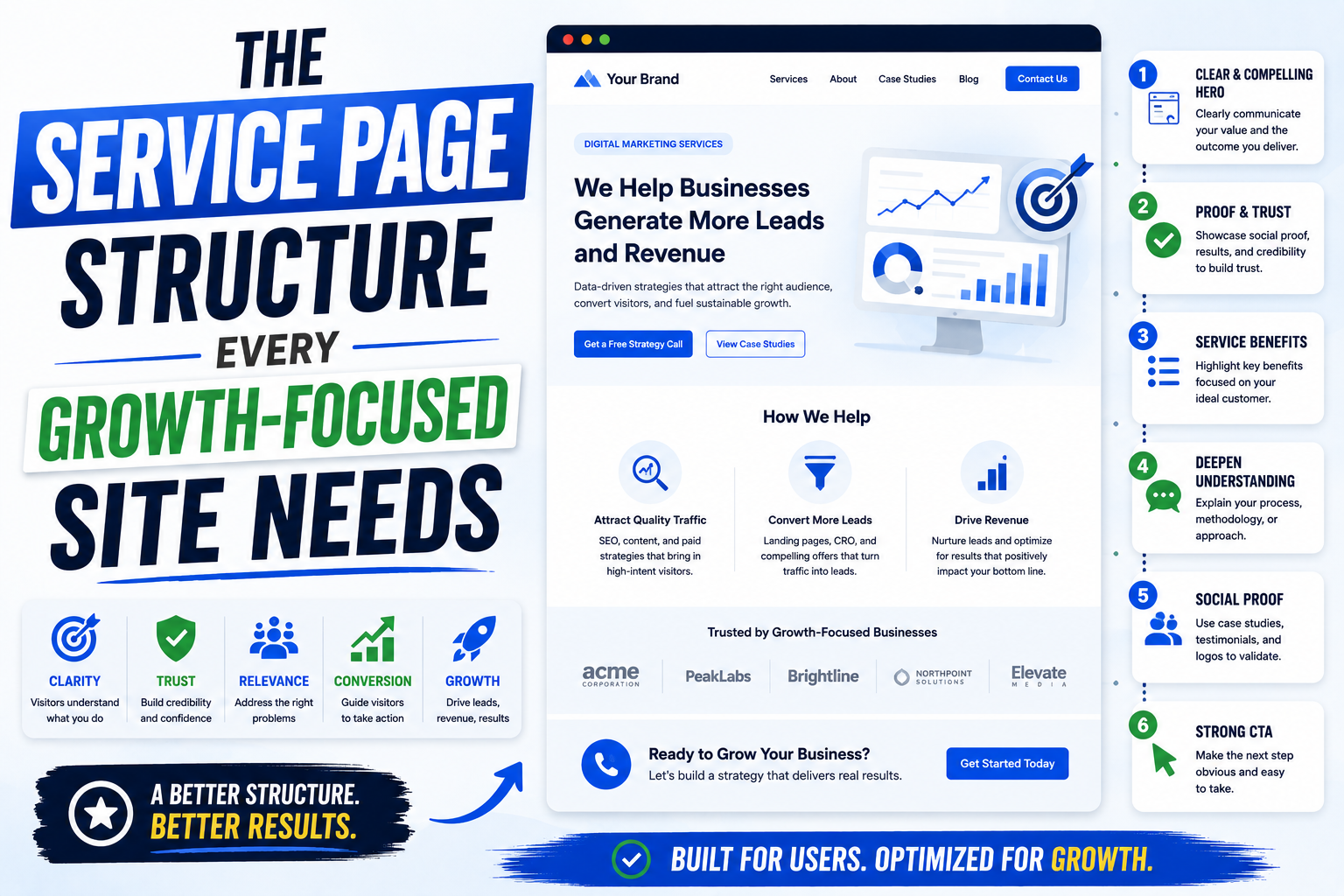
SEO Services
The service page structure every growth-focused site needs
A strong service page explains the buyer problem, solution, deliverables, proof, FAQs, related services, and the next step.
5 min read
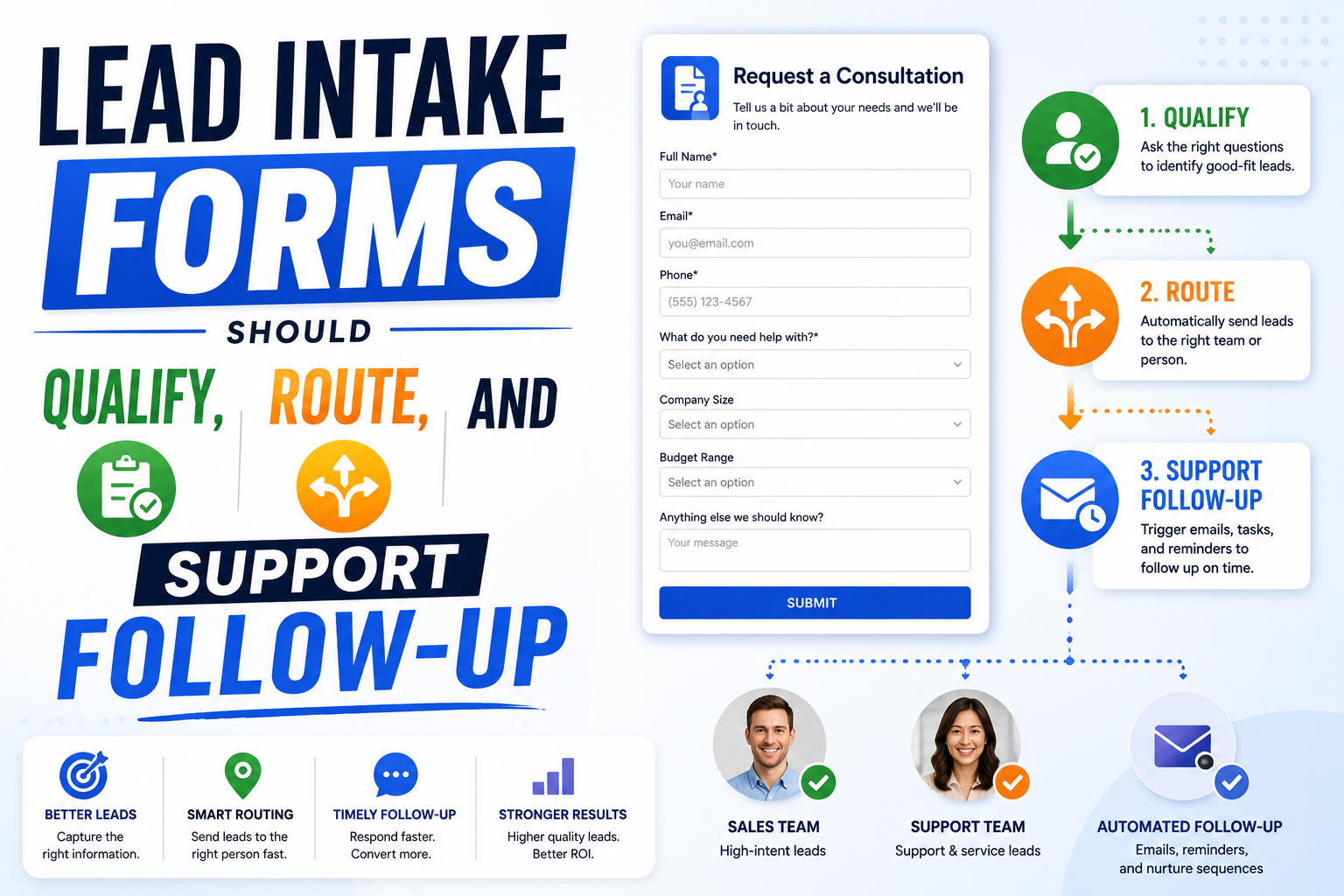
Websites & Funnels
Lead intake forms should qualify, route, and support follow-up
Good forms do more than collect contact info. They create context for sales, tracking, routing, and reporting.
4 min read
FAQ
Yes. Each page needs a specific problem, audience, proof angle, and related content path.
Service pages can support ads, but tighter paid landing pages may still perform better for focused campaigns.
Next Step