
Follow-up automation
Follow-up automation that keeps qualified leads from going cold.
Create reminders, sequences, and task flows that help teams respond consistently after inquiries, calls, and proposals.
Problems We Solve
The work starts where growth is leaking.
Paired solution
Define what should happen after each inquiry, call, proposal, or stalled opportunity. For Follow-up Automation, this supports the page promise directly: Create reminders, sequences, and task flows that help teams respond consistently after inquiries, calls, and proposals. It addresses leads are not contacted with Follow-up sequence, Task logic, and Message templates: Leads are not contacted quickly. The fix starts by deciding which page owns the topic, which supporting pages should exist, and which proof or internal links need to reinforce the path.
Paired solution
Follow-up map
Define what should happen after each inquiry, call, proposal, or stalled opportunity. For Follow-up Automation, this supports the page promise directly: Create reminders, sequences, and task flows that help teams respond consistently after inquiries, calls, and proposals. It addresses leads are not contacted with Follow-up sequence, Task logic, and Message templates: Leads are not contacted quickly. The fix starts by deciding which page owns the topic, which supporting pages should exist, and which proof or internal links need to reinforce the path.
Deliverables
Clear outputs your team can use after launch.
Every Follow-up Automation engagement leaves behind practical assets tied to implementation, ownership, and review. The goal is a cleaner operating path, not a static recommendation deck.
Audit the current path
Review the site, offer, lead flow, tracking, and operating constraints before recommending changes.
Build the first useful layer
Ship the pages, systems, tracking, or workflows that remove the clearest growth bottleneck.
Measure and improve
Use reporting, client feedback, and qualified lead quality to decide what gets scaled next.
Follow-up sequence
Documents ownership, handoffs, fallback paths, and timing so the system keeps moving after launch.
Task logic
Documents ownership, handoffs, fallback paths, and timing so the system keeps moving after launch.
Message templates
Defines the asset, owner, review point, and next action needed to make the work useful after delivery.
Automation setup
Documents ownership, handoffs, fallback paths, and timing so the system keeps moving after launch.
Review checklist
Defines the asset, owner, review point, and next action needed to make the work useful after delivery.
Delivery Process
Simple enough to start. Structured enough to scale.
Follow-up Automation work moves through a tight operating rhythm: diagnose the real constraint, ship the highest-leverage layer, then use real signals to decide what deserves expansion.
Phase 1
Audit the current path
Review the site, offer, lead flow, tracking, and operating constraints before recommending changes.
Phase 2
Build the first useful layer
Ship the pages, systems, tracking, or workflows that remove the clearest growth bottleneck.
Phase 3
Measure and improve
Use reporting, client feedback, and qualified lead quality to decide what gets scaled next.
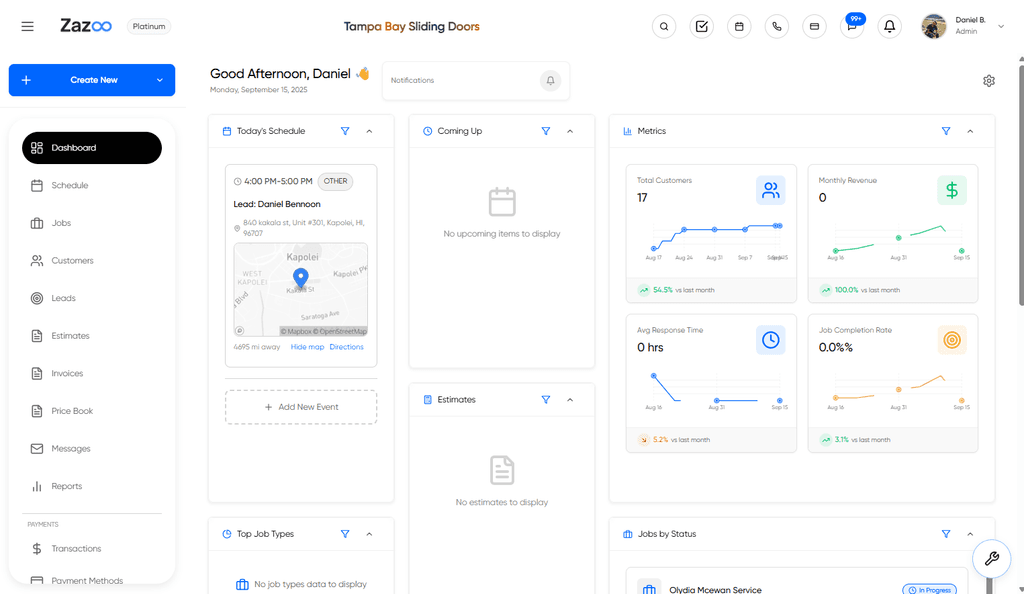
Filtered Case Studies
Relevant case study proof for this service.
Related Blog
Articles connected to this service.
Business Process Automation
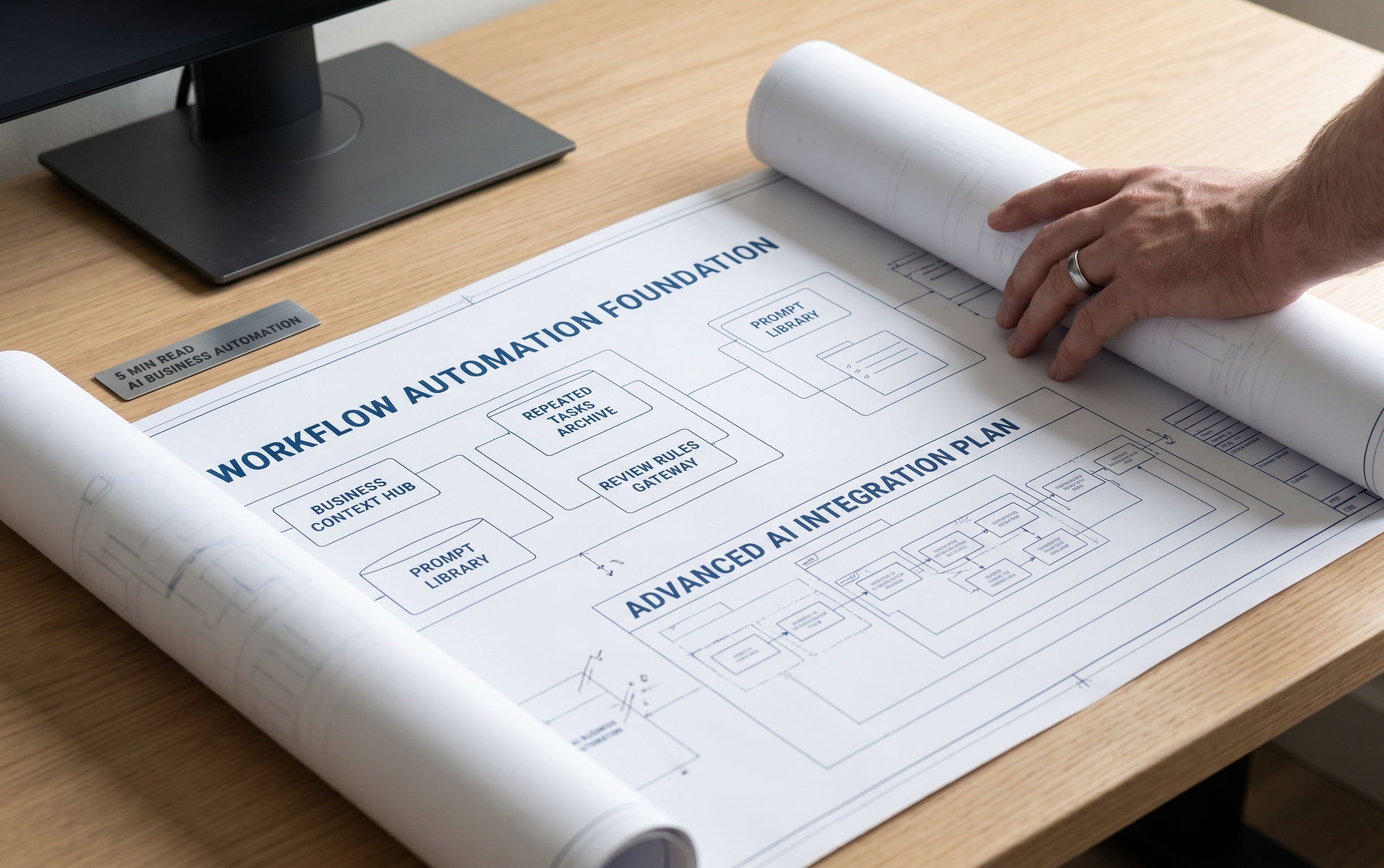
Why workflow automation should come before advanced AI automation
A messy process becomes a messy automation. Map the workflow first, then add AI where it removes real friction.
4 min read
Websites & Funnels
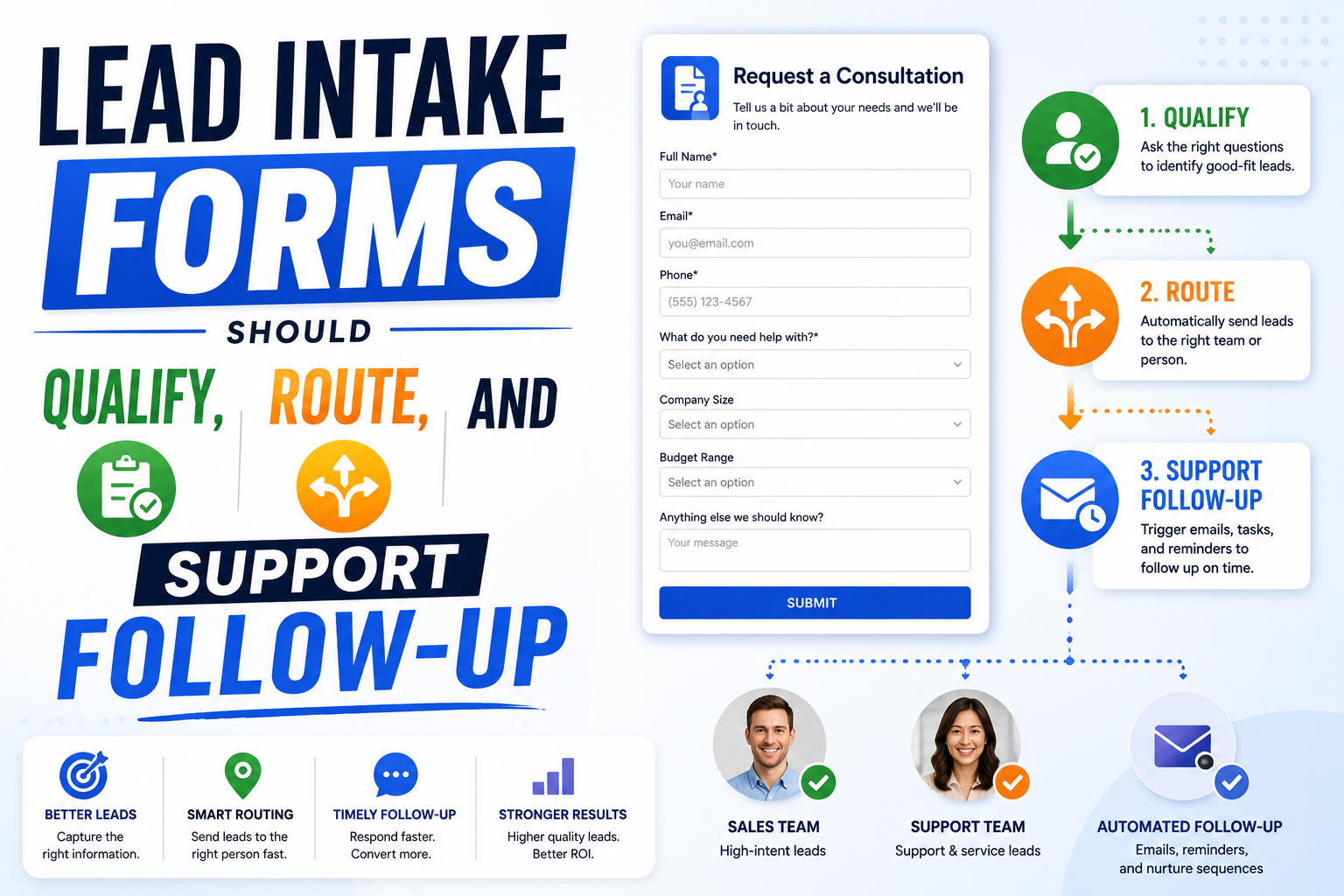
Lead intake forms should qualify, route, and support follow-up
Good forms do more than collect contact info. They create context for sales, tracking, routing, and reporting.
4 min read
FAQ
It should not. Automation should make timing and ownership consistent while keeping the message human.
Yes. Strong follow-up helps turn first conversations and projects into longer-term relationships.
Next Step